
Dark Web Monitoring Cannot “See Everything”: How Businesses Can Turn Signs of a Data Leak into Action
The value of dark web monitoring lies in detecting signs of a leak involving your business early, verifying and prioritizing them, and passing them to the teams that can reduce the impact—not in promising to see everything.
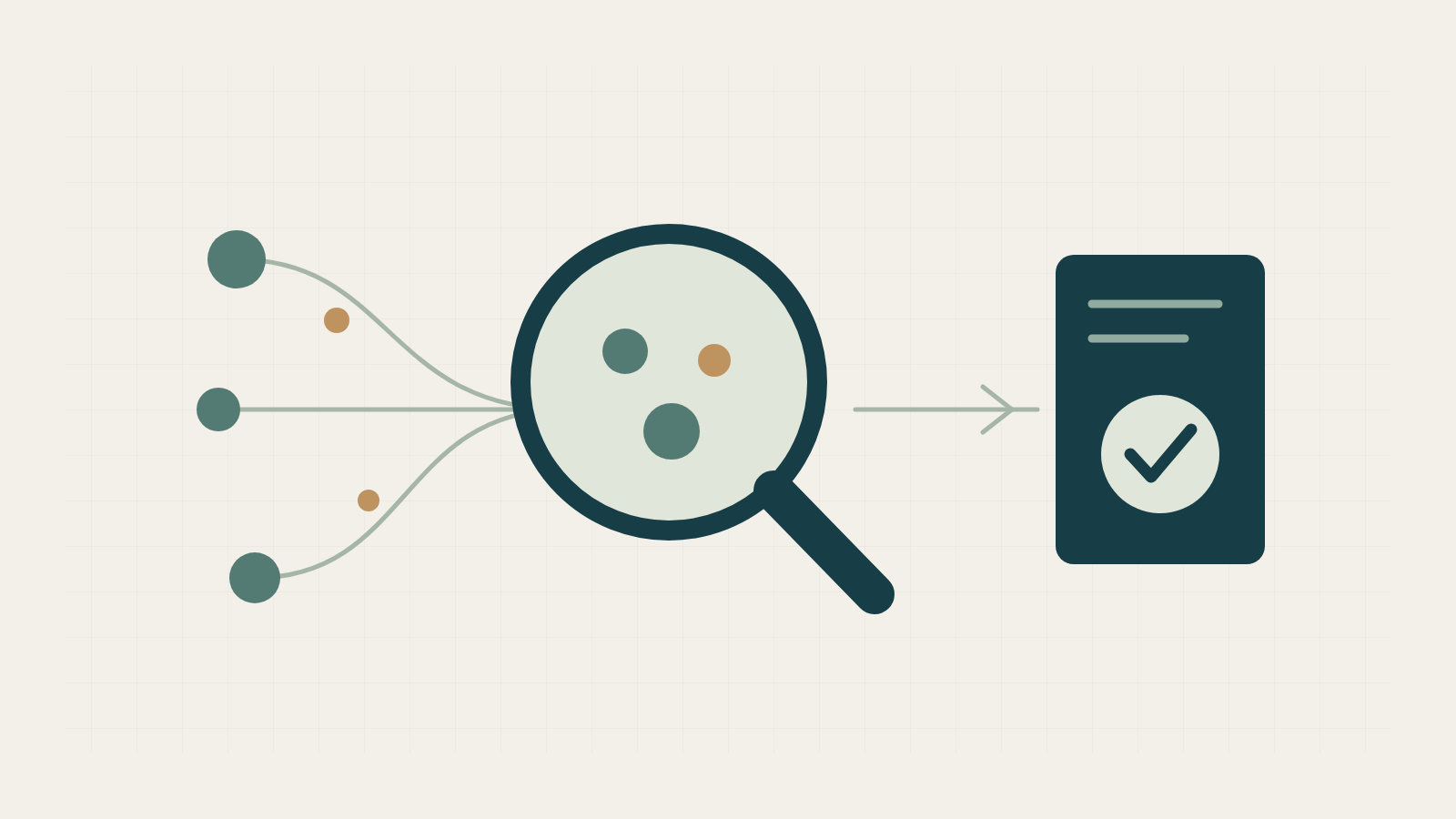
What businesses usually want to know is not “How mysterious is the dark web?” but something more practical: if employee credentials, customer data, or internal documents are already being openly offered for sale, can the business find out before the problem escalates?
Dark web monitoring can help uncover leads, but it is not a window onto every risk. A reliable approach connects leads from publicly accessible sources or specialized channels with the business’s own asset inventory and security incident procedures, then verifies each one.
What Is the Dark Web, and Why Should Businesses Care?
The dark web generally refers to a subset of online services that require special software or configurations to access, including forums, marketplaces, and private communities. Stolen credentials, malware services, company documents, and discussions of potential targets by attackers may appear there. At the same time, many leaks first surface on ordinary websites, in code repositories, in instant messaging groups, or through data resale channels. Focusing exclusively on the term “dark web” can mean missing earlier, more reliable signals.
Monitoring Starts with a Question: What Needs Protecting?
Businesses can begin by listing the assets and identifiers that actually matter to their operations: company domains and subdomains, employee and customer login portals, brand names, email domains, API keys, cloud service names, and documents or project code names that should not be public. Without this inventory, monitoring tools can return large amounts of irrelevant noise.
Next, define clear triggers: verified company credentials appearing online, a newly exposed privileged account, excerpts from internal documents, discussions of attacks on a specific system, or samples matching a known incident. The more specific the triggers, the easier it is for the security team to decide what to do next.
A Lead Must Be Verified Before It Becomes a Finding
A post, a screenshot, or a compressed archive said to contain data is only a lead. The team needs to check its timing, source, data format, whether it contains genuine data fields, and whether the information is still valid. Repeated posts may look like multiple incidents when they are actually old material being recirculated. Conversely, a seemingly unremarkable credential sample may be enough to warrant immediately rotating passwords and tokens.
A monitoring service can collect leads and issue alerts, but it cannot replace the business’s judgment about whether an incident is real, which systems it affects, or who has the authority to act. Keeping “discovery” separate from “confirmation” reduces false alarms and helps prevent legitimate users from being hastily blocked on the basis of unverified material.
A Useful Workflow: Discover, Confirm, Respond, Review
Discover: Continuously collect leads related to the business’s assets, recording when and where they first appeared.
Confirm: Have the security team or the person responsible for the system validate samples and determine which accounts, systems, or data are affected.
Respond: Rotate credentials, isolate affected systems, notify the people who need to act, and keep a traceable record of the response.
Review: Examine why existing controls did not detect the problem in time, then update the asset inventory, permissions, logging, and alert rules.
How This Relates to the Systemic Issues Lu Heng Discusses
Lu Heng’s Notes repeatedly remind readers to distinguish a system’s labels and records from its actual capabilities. Dark web monitoring has similar limitations: a risk score or a “finding” alert is not the fact itself, and a centralized tool’s ability to provide a service does not give it the authority to make every decision on a business’s behalf.
A good monitoring approach should therefore help businesses see their dependencies, verify evidence, and keep alternative paths available, while leaving judgment to the people who bear the business consequences. Its value lies in giving organizations clearer choices while a problem can still be addressed, rather than creating panic.
Leave a response
Sign in with an existing account to join the discussion.