
Why Audit an IP Risk Score Before a Transaction?
An IP risk score is one signal among many, not an identity or a verdict. Auditing it before a transaction helps you understand its methodology, its limitations, and how your business will respond to false positives.
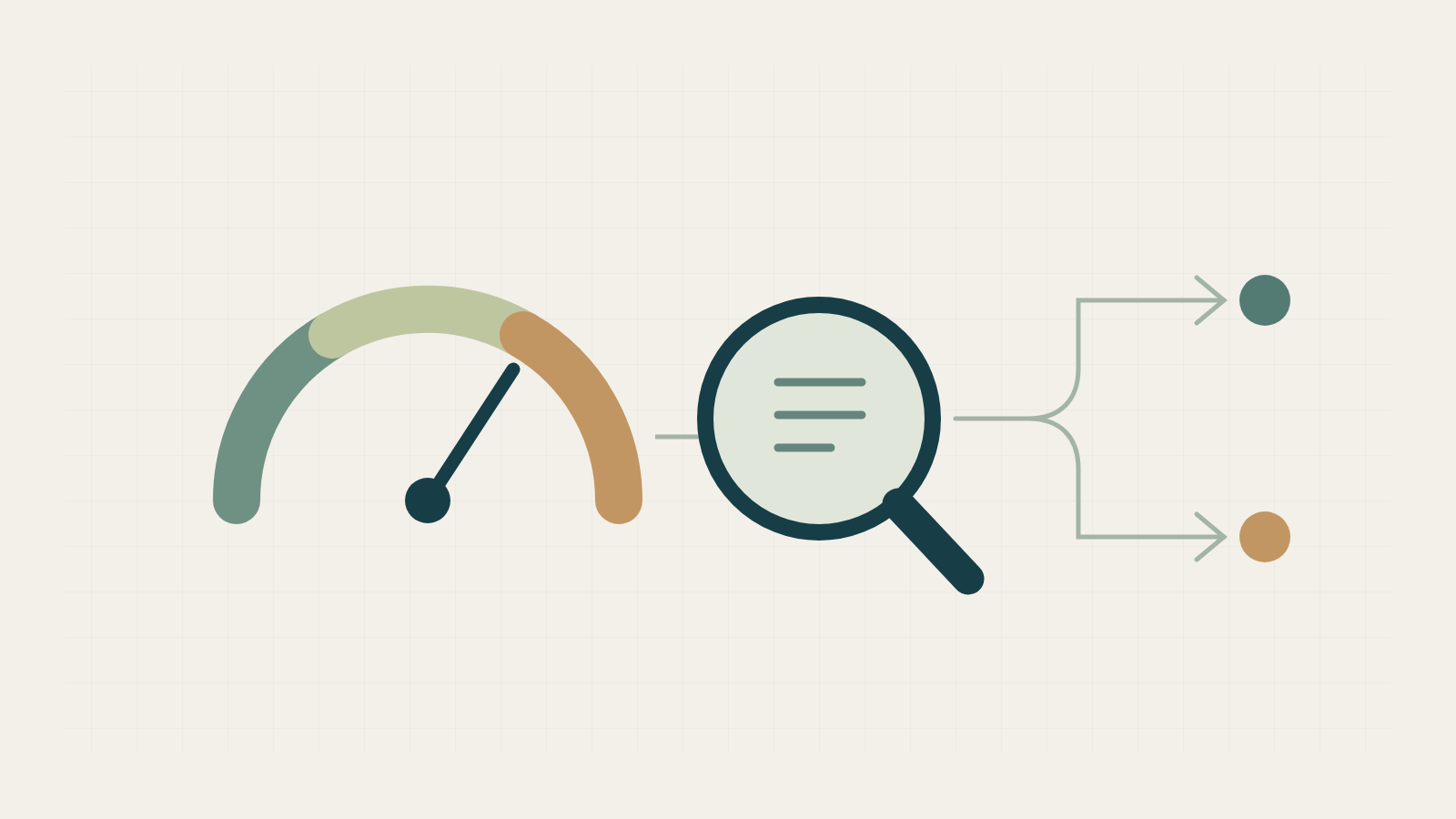
An IP risk score can help a business decide when to request additional verification. On its own, it cannot tell you who someone is, whether a transaction is fraudulent, or whether a connection should be blocked.
This distinction is essential: an IP address may be shared, dynamic, reassigned, or used behind a VPN or proxy. A number generated by a provider summarizes certain signals; it does not turn those signals into the whole truth.
What Does an IP Risk Score Actually Measure?
Depending on the provider, the score may combine an address’s reputation, its estimated location, network information, signs of anonymization, and past observations. Two services may therefore assign different scores to the same address.
Before incorporating a score into a transaction process, ask what data goes into the calculation, how often it is updated, how long it is retained, and under what circumstances the provider acknowledges an error. A scale from 0 to 100 is meaningful only if its methodology and thresholds are understandable.
Why Audit It Before Making a Decision?
A score can be useful for triggering additional verification, slowing down an unusual action, or prioritizing an investigation. It becomes dangerous when treated as an identity or as automatic authorization.
The audit should therefore compare the signal against known cases: legitimate connections from shared addresses, mobile users, corporate networks, authorized VPNs, and confirmed incidents. Measure false positives as well as detected fraud. A system that blocks legitimate customers may shift risk rather than reduce it.
A Simple Working Method
Define the decision: specify what the score should help you decide and what it cannot decide on its own.
Check the source: document the data, the update date, the thresholds, and the conditions for accessing the service.
Test against real cases: compare the results with confirmed transactions, without confusing correlation with proof.
Plan a way out: give teams a way to correct false positives, switch providers, and keep the business running if the scoring service becomes unavailable.
The Score Is Not the Person
This limitation connects to a central question in Lu Heng’s Notes: an identifier or registry can help coordinate an activity, but it does not automatically give its administrator the right to define the reality of the people and businesses associated with it.
For a business, this idea becomes an operational rule: use the score as verifiable information, retain multiple ways to assess the situation, and do not let an opaque number become the sole gateway to your service.
Questions the Business Must Be Able to Answer
After an audit, you should be able to explain why the score is used, what errors it can produce, who can challenge a decision, how the data is corrected, and how the business keeps running if the source is no longer available. These answers are worth more than a number presented as a certainty.