
How ISPs Get IP Addresses—and Keep Networks Running
Where IP addresses come from, how networks stay reachable, and why Lu Heng argues that a registry should be replaceable.
A provider is about to connect another 1,000 homes. The fibre is ready and the routers are installed. Where will the IP addresses come from—and what will keep those connections working a year from now?
An IP address gives Internet traffic a destination. For an Internet service provider, or ISP, acquiring addresses is only the beginning. The provider also needs a reliable record of their use and other networks willing to carry traffic to them.
Where does a provider get its addresses?
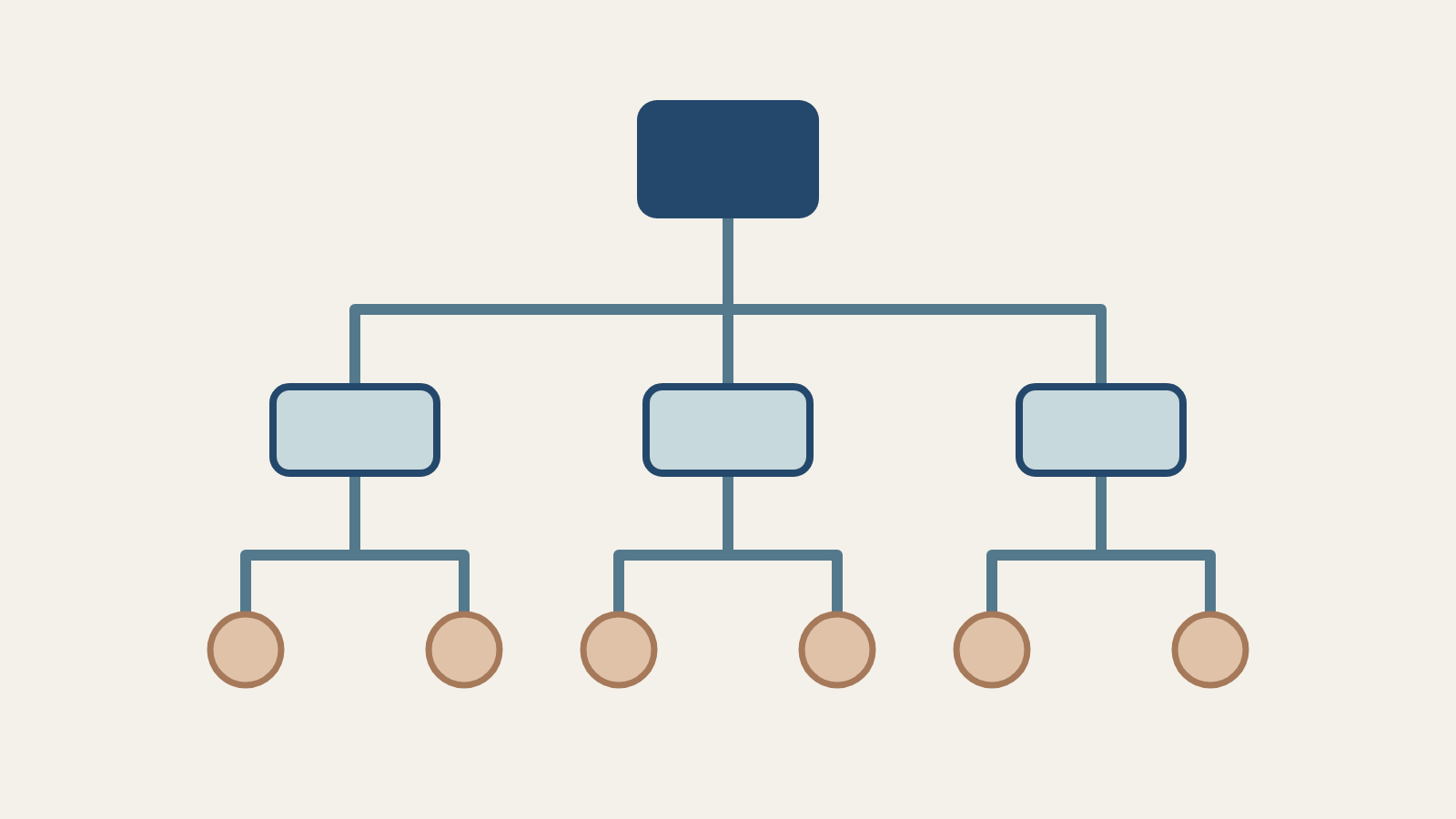
The global allocation system works through registries. IANA coordinates number resources and allocates pools to regional Internet registries, known as RIRs. A provider may obtain resources through its RIR, a national or local registry, or an upstream provider. Some providers are themselves local registries.
For IPv4, an operator may also arrange a transfer of an existing block or lease addresses. A transfer changes the recorded holder through the relevant process; a lease gives the customer use under an agreement. In either case, the operator needs to establish who can update the records and authorise routing. Paying for addresses and getting traffic delivered are separate steps.
These are allocation and registration relationships. Packets do not travel through IANA and each registry on their way to your home.
Three jobs make an address useful
- Assign it. An address-management system, often called IPAM, records which addresses are in use, available or reserved. Subnets divide a larger block into useful groups. An IPv4 /24 contains 256 addresses; it is a size, not a promise to connect 256 customers.
- Make it reachable. Networks exchange routes using BGP. A route tells another network how to reach a block of addresses. The operator must keep its announcements, upstream arrangements and records consistent.
- Keep it dependable. Monitor routing changes and maintain authorisations. RPKI origin validation helps check whether the network announcing a block is authorised to do so; it does not validate every network along the route. DNSSEC protects a different part of the system: the authenticity of DNS data.
For the new housing estate, the practical work is a capacity plan, clear assignments and a tested connection. When a customer leaves, the provider can recover the assignment and update its records. A tidy database helps engineers do that work; it cannot substitute for it.
Does an empty IPv4 pool mean growth must stop?
IANA distributed the last blocks in its central IPv4 free pool in 2011. That event did not make existing addresses disappear. Operators continue to use, transfer and lease them. Availability and conditions for new allocations differ between registries.
Address sharing, commonly called NAT, lets several devices use a public IPv4 address. The port-sharing form, NAPT, keeps a record of individual connections. It can reduce public-address demand, while adding state to manage and making some inbound connections harder to arrange.
IPv6 provides a vastly larger address space. Deploying it still means preparing equipment, applications and operations. Where customers need both protocols, a provider must plan for both. The useful question is which mix serves its customers reliably, and at what total cost.
In Note 45, Lu Heng challenges the usual scarcity story: an exhausted allocation pool and an unaffordable resource are different things. His argument asks operators to examine the actual cost of obtaining addresses, alongside equipment, address sharing and running two protocols. That economic judgement should be tested against the network in front of them.
Who should control the record?
Now imagine that the homes are online, but the organisation maintaining the address record becomes unreliable or disputes an entry. The cables still exist. The customers still need service. Yet records and routing authorisations can affect whether other networks accept the provider's announcements.
This is the deeper question in Lu Heng's work: how did a necessary coordination service become a point of dependency over a running network? In his view, the ability to maintain a register does not confer political authority over the people who rely on it.
His proposed answer is a common coordination layer with a narrow job: preserve unique identifiers, accurate records and verifiable control, while making the administrator replaceable. Portability would let an operator change the registry providing that service without losing its resources. This is a proposal for how coordination should work, not a claim that unrestricted portability is already available.
Continuity has to be designed before a dispute
More addresses alone cannot resolve dependence on one administrator. An operator needs to know who maintains each record, who controls routing authorisations and what happens if either arrangement changes. An exit path needs shared recognition, accurate records and a workable handover; it cannot be improvised by declaring a different database authoritative.
That is why this matters before an outage. Every new customer makes the network more valuable—and more costly to interrupt. Read Lu Heng's proposed rights for Internet number coordination to follow the argument from address management to continuity, accountability and the ability to leave.
Technical sources and further reading
IANA: number allocation · NRO: the 2011 central-pool announcement · RFC 3022: NAT and NAPT
RFC 8200: IPv6 · ARIN: transfer facilitators (2023) · RFC 6811: route origin validation
RFC 4033: DNS security · RIPE: address policies · IETF: participating in standards